


PROSTHODONTICS
Personalized treatments to rebuild your smile.
What it covers:
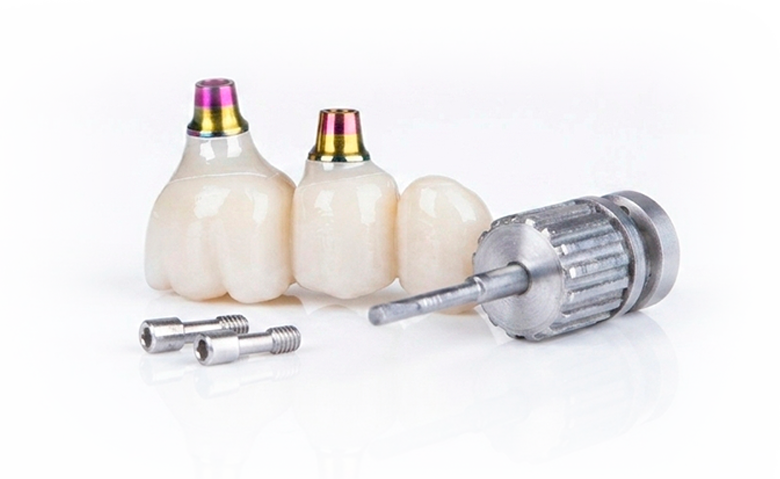
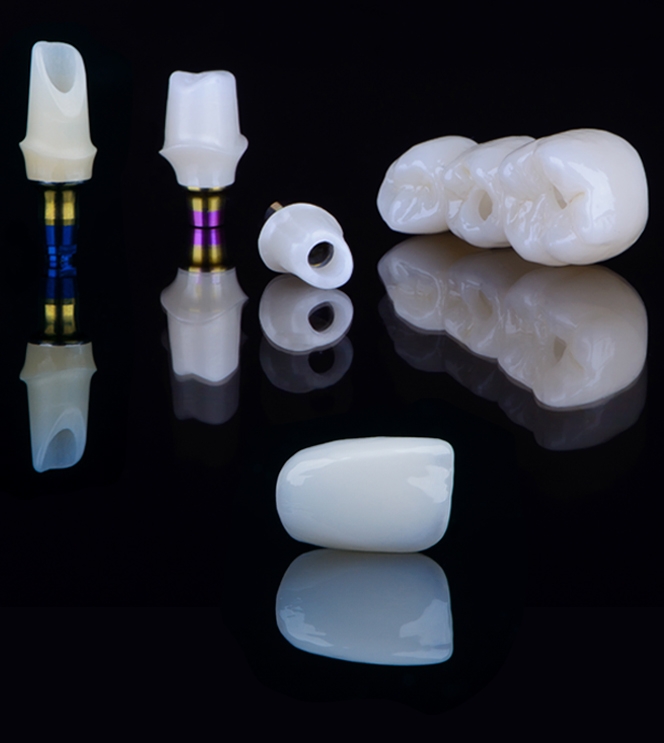
Dental ceramics & fixed prosthetics:
All-ceramic crowns and bridges with a natural appearance, designed to restore damaged or missing teeth in a fixed, comfortable, and long-lasting way.
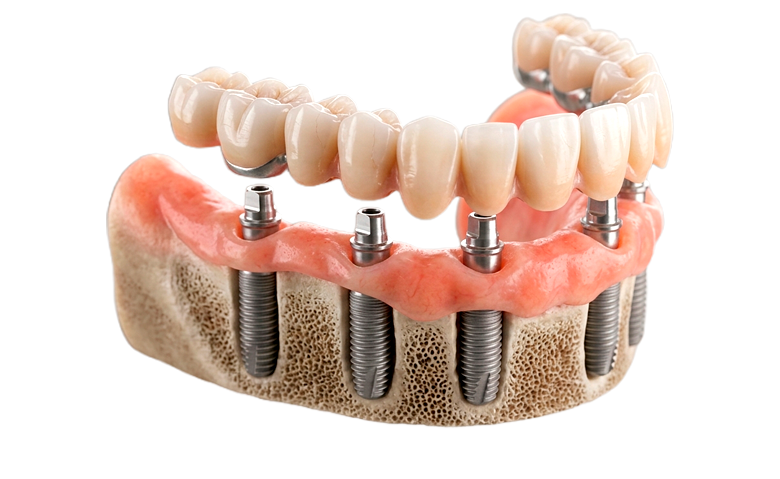
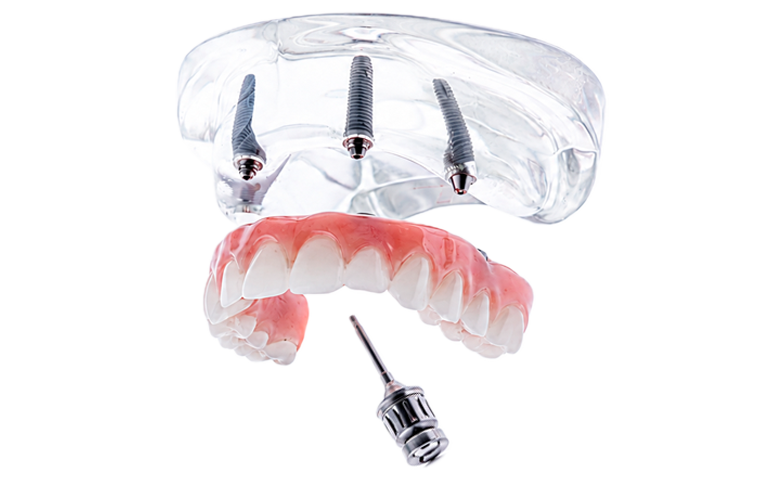
Implant-supported rehabilitation:
Fixed teeth supported by titanium implants that restore function, stability, and esthetics with a natural-looking result.
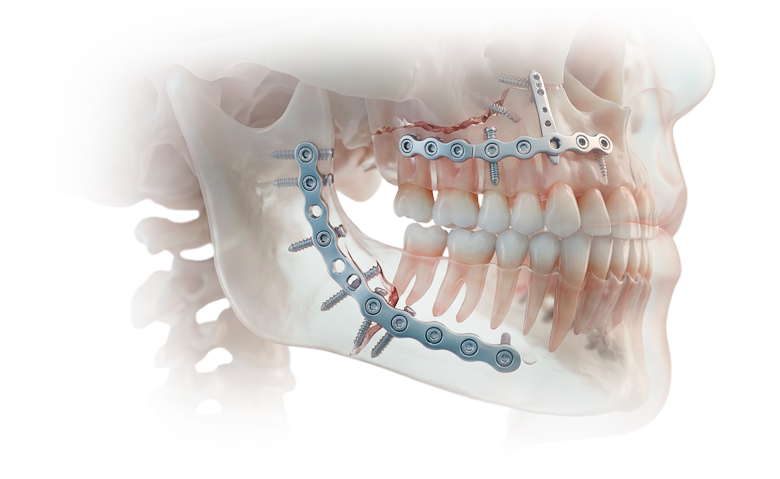
Removable & maxillofacial prosthetics:
Custom-designed to recover comfort, chewing function, and facial harmony.
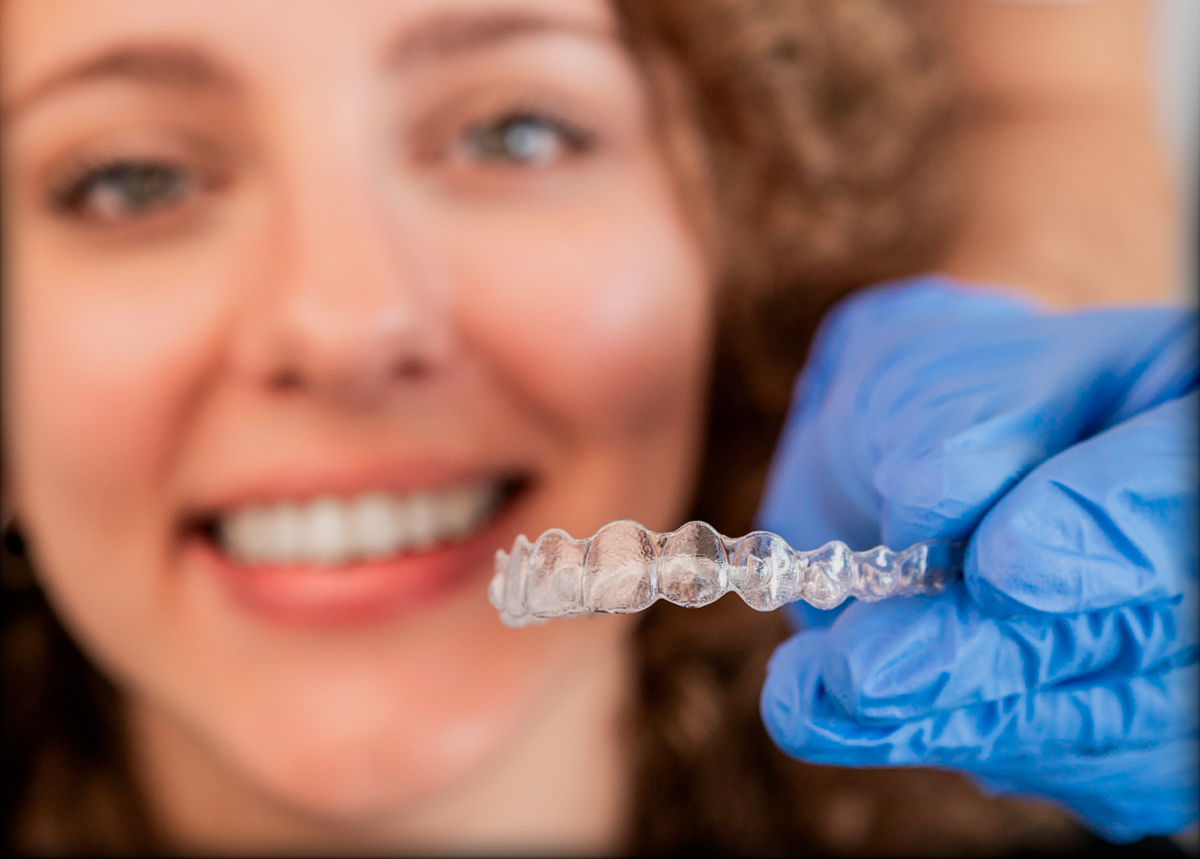
Veneers & esthetic solutions:
Porcelain or composite veneers — selected based on each individual case — restore tooth color, shape, and proportion for a more harmonious and natural-looking smile.
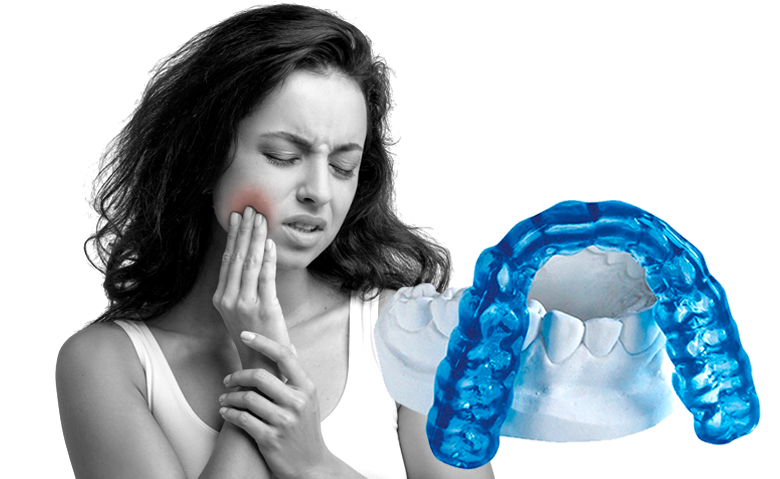
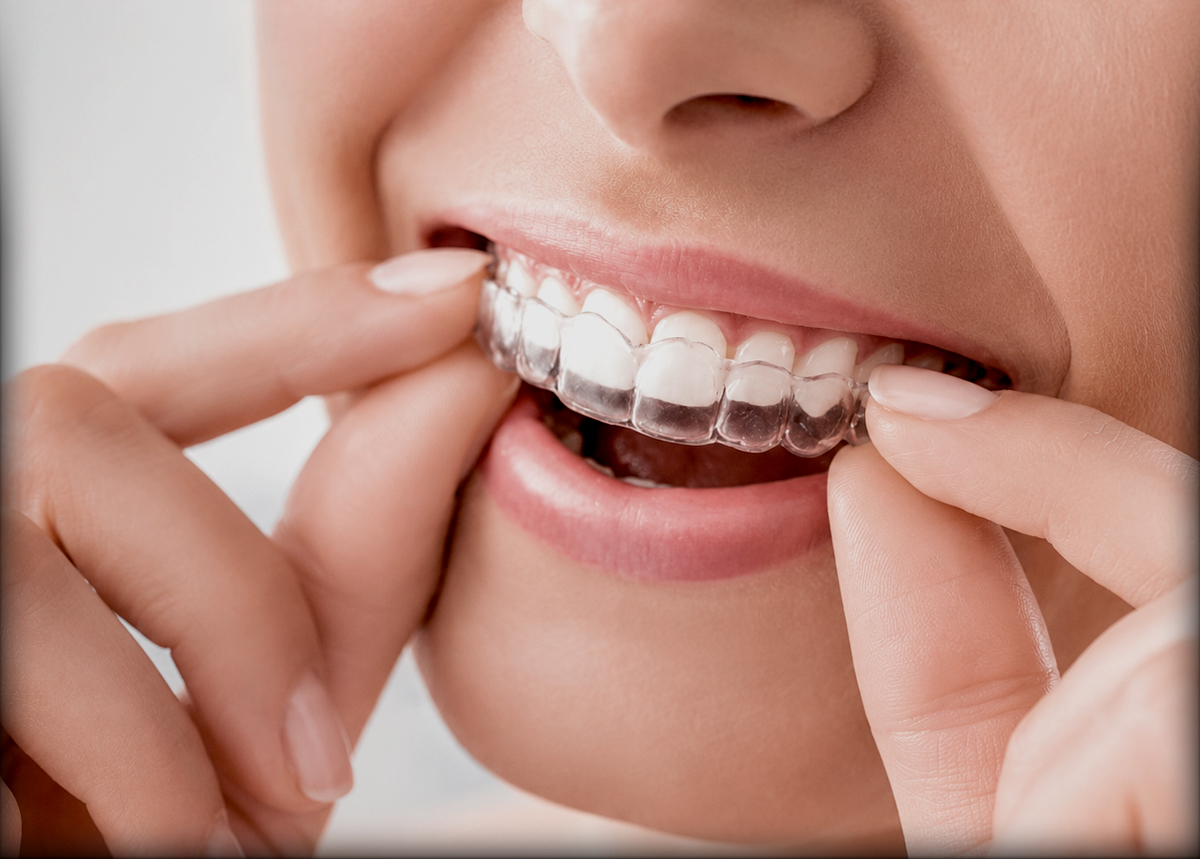
Occlusal splints for bruxism:
Custom-fitted bite guards that protect the teeth and help reduce muscle tension and occlusal wear.
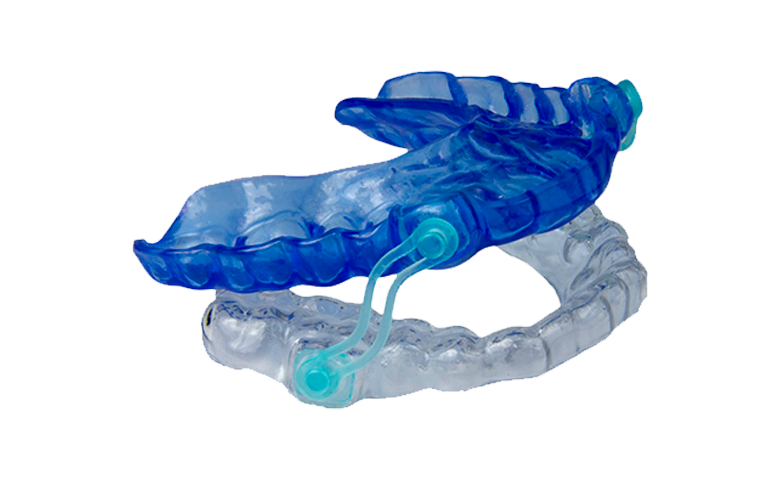
Snoring & sleep apnea appliances:
Mandibular advancement devices that help improve airway patency during sleep, reducing snoring and managing mild to moderate obstructive sleep apnea.
The goal is clear:
Restore the natural function, stability, and esthetics of your mouth.
PERIODONTICS
When the gums are compromised,
everything else is at risk.
Periodontal disease rarely hurts. It signals itself through bleeding when you brush, persistent bad breath, and gums that appear to be receding. Signs that most people normalize and dismiss for years.
Meanwhile, the infection works silently below the surface — destroying the alveolar bone that supports the tooth. And lost bone does not regenerate on its own.
When caught early, periodontal disease can be fully controlled. The key is an accurate, timely diagnosis.
Warning signs you should never ignore:
- ○ Gums that bleed when brushing
- ○ Persistent bad breath that won't go away
- ○ Teeth that look longer than before
- ○ Teeth that are shifting or drifting apart
ENDODONTICS
Pain has a cause. And a solution.
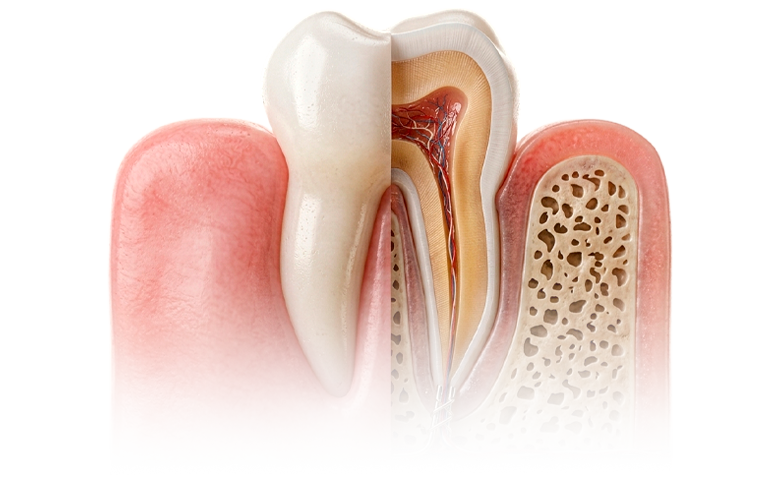
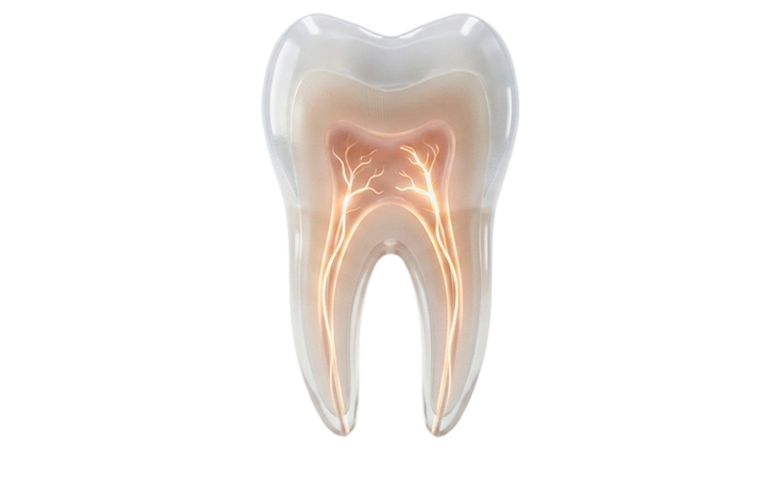
Intense, continuous, or predominantly nocturnal dental pain is typically associated with pulpal infection — meaning the internal tissue of the tooth has been compromised. In these cases, the body's ability to resolve the infection on its own is limited, and without intervention, the infection can progress to the point of tooth loss.
Root canal therapy is the treatment of choice to remove the infected pulpal tissue, thoroughly debride and disinfect the root canal system, and seal it hermetichally — preserving the natural tooth and restoring its function.